Why Solar Panels Are Better Than Generators for Australian Homes
Environmental Impact
Reducing Carbon Footprint
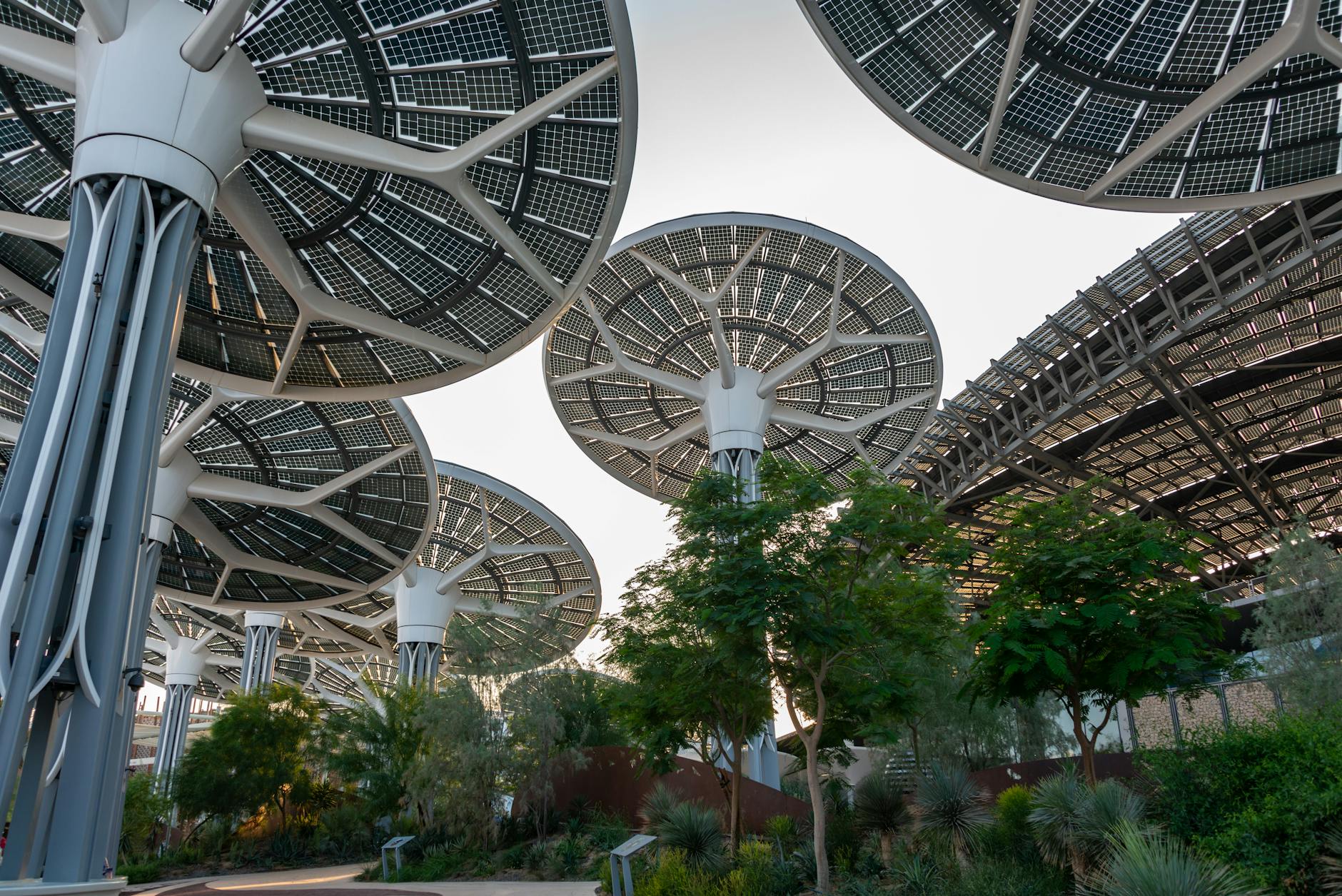
As I've worked extensively with renewable energy projects, there's a significant focus on reducing our carbon footprint. Unlike traditional generators that rely on fossil fuels, solar installation solar installation uses sunlight – an abundant and renewable resource. This method minimises greenhouse gas emissions significantly. To visualise the impact, consider the solar exhibits at the Brisbane Botanic Gardens. These systems illustrate how solar energy cuts down on CO2 emissions, contributing to a cleaner environment.
Renewable Resource Benefits
Harnessing energy from the sun is not only eco-friendly but also proves to be incredibly beneficial in the long run. Solar panels like those used in solar panel installation el paso actively convert sunlight into electricity without depleting natural resources. It's similar to how the sustainable installations at South Bank utilise renewable sources to power public spaces, showcasing the potential of solar technology for everyday use.
Long-term Sustainability
Solar energy systems offer long-term sustainability, making them a superior choice over conventional generators. Generators typically need frequent refuelling and emit pollutants, whereas solar panels provide clean energy consistently. The practical experiments at the Queensland Museum's science workshops can help us recreate these principles, showing renewable energy's viability. Opting for san antonio solar panel installation may just be the step towards securing an energy-independent future for households. By embedding these practices, we contribute to a sustainable and eco-friendly world.
Efficiency and Reliability
Dependable Power Source
Solar panels provide a highly dependable power source, especially in Australia where sunlight is abundant. Unlike generators that rely on finite fuel sources, solar panels tap into a renewable resource—sunlight. When you're purchasing solar panels for home, you ensure a consistent and reliable energy supply with fewer disruptions.
Energy Storage Solutions
One of the key advancements in solar technology is energy storage solutions. Modern setups often include batteries that store excess energy generated during the day, so you can use this stored power at night or during cloudy days. This makes solar panels an excellent choice for consistent power availability, unlike generators that may run out of fuel or require frequent maintenance. For instance, the solar panel installation minneapolis project has demonstrated the effectiveness of these storage solutions in providing uninterrupted power.
Performance in Australian Climate
Australia’s sunny climate is ideal for solar panel efficiency. Solar panels perform optimally in high sunlight conditions, making them particularly effective in cities like Brisbane. Brisbane’s renewable energy installations at South Bank show how solar technology thrives in our environment. Moreover, while generators may struggle during extreme weather events, solar panels are designed to withstand harsh conditions. This ensures that your home remains powered, come rain or shine.
In summary, integrating solar panels into your home provides a reliable, efficient, and sustainable energy solution that aligns well with smart home technologies. Whether you're interested in solar items for home or a comprehensive installation, solar panels offer a dependable alternative to traditional generators.
Integration with Smart Homes
Compatibility with Smart Devices
As a tech-savvy homeowner living in Sydney, one of the key concerns is ensuring that your green energy solutions are seamlessly integrated with your existing smart home setup. Thanks to advancements in technology, modern solar panel systems are highly compatible with a wide range of smart devices. Whether you're using smart thermostats like Nest, lighting systems like Philips Hue, or various IoT devices, solar panels can serve as the backbone of your home's energy supply.
Automated Energy Management
A significant advantage of integrating solar panels into your smart home is the ability to automate energy management. For instance, using smart home platforms such as Home Assistant or SmartThings, you can program your home to optimise energy consumption. Imagine a sunny day where your system automatically adjusts to maximise solar energy usage, reducing reliance on the grid. This automated setup not only helps in reducing electricity bills but also ensures efficient use of renewable energy.
Remote Monitoring Capabilities
For someone with a medium-level understanding of technology, having the ability to monitor your solar panel system remotely can be incredibly empowering. Most advanced solar systems come with companion mobile apps or online dashboards that allow you to track energy production and consumption in real time. Companies like Tesla and Enphase offer intuitive interfaces where you can see detailed analytics, generate reports, and even receive alerts if something requires attention.
In the context of Brisbane, think of the renewable energy installations at South Bank. Much like these public demonstrations, your home’s solar setup can be monitored and controlled with the touch of a button, giving you peace of mind.
With technologies like these, integrating solar panels into a smart home isn't just about reducing your carbon footprint—it's about smart, efficient, and effortless energy management. Energy solutions like solarhomeenergy and solar panels for home not on roof provide great options for achieving this integration.
Maintenance and Longevity
Minimal Upkeep Needed
Maintaining solar panels is relatively straightforward. Unlike generators, which have moving parts and require frequent checks, solar panels have few if any, mechanical components. This simplicity means fewer things can go wrong. Basic upkeep usually involves periodic cleaning to remove dirt or debris. For example, a light wash with water can help maintain efficiency. In areas like Brisbane, where the weather can be quite sunny, natural rainfall often reduces the need for cleaning even further.
Lifespan Comparison
When comparing the lifespan of solar panels versus generators, solar panels come out ahead by a substantial margin. Typically, quality solar panels can last between 25 to 30 years, thanks to their durable construction. Generators, on the other hand, usually have a lifespan of 10 to 15 years, requiring replacements more often. This extended lifespan of solar panels translates into long-term savings as they continue to produce energy efficiently for decades. For those wondering what is the average pay for a solar panel installer, this longevity also means fewer replacement projects and, therefore, more sustainable energy solutions.
Durability and Weather Resistance
Solar panels are designed to withstand various weather conditions. In Brisbane, panels endure everything from summer heat to occasional thunderstorms. Top-tier solar panels are tested to endure harsh weather, including strong winds and heavy rain. This robustness ensures that panels installed on your home will continue to function optimally, even in adverse conditions. While discussing the quality of installations, solar panel installers essex are known for their proficient setups that maximise panel durability and efficiency.
Common Mistakes
Overlooking Energy Needs
One common mistake many homeowners make is underestimating their actual energy requirements. Before installing solar panels, it's vital to conduct a thorough assessment of your household's energy consumption. Failing to do so can result in a system that either doesn’t meet your needs or exceeds them unnecessarily. I recommend monitoring your energy use over a few months or referring to your electricity bills. This way, you’ll have a solid understanding and can select a system that covers your daily power needs, ensuring you don't have to rely on generators as a backup.
Ignoring Installation Factors
The placement and installation of your solar panels play a significant role in their efficiency. Ignoring factors like roof orientation, shading, and tilt angle can severely impact the system’s performance. Ensure your panels face the optimal direction, ideally north in Australia, to capture the most sunlight throughout the day. Additionally, avoid placing panels in shaded areas or near obstacles that can block sunlight. It's also worth consulting with a professional installer who understands local conditions and can advise on the best setup for your home.
Misjudging System Capabilities
Another mistake is overestimating what your solar panel system can achieve. Solar technology is incredibly efficient, but it still has its limits. Some people think that once they install a system, they can use as much electricity as they like without any additional costs. Being mindful of your consumption is crucial, even with solar panels. Many homeowners opt for hybrid solar energy systems that include batteries for energy storage to manage peak usage times effectively. This setup can help ensure you always have power when you need it, without overloading the system.
By avoiding these common pitfalls, you can make a well-informed decision that maximises the benefits of using solar panels for your home.